
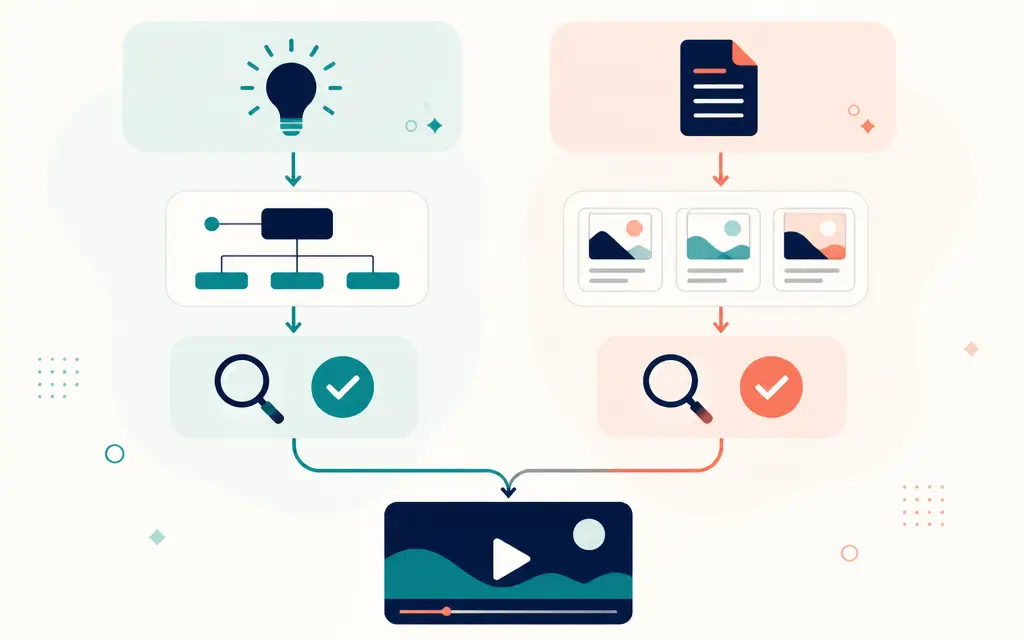
Should an AI video start with a topic or a finished script?
Use a topic to explore the plan and a finished script to protect approved wording, facts, and voice.
Read articleAUTOVID · KNOWLEDGE
Practical guidance for AI video creation, automated Shorts and long-form workflows, marketing videos, and global content operations.
Blog articles for this language are currently provided in English.
Use a topic to explore the plan and a finished script to protect approved wording, facts, and voice.
Read articleA practical framework for comparing AI video tools by the control and review points creators need, rather than by feature counts alone.
Read articleSearch traffic needs a complete answer to one question, while recommendation traffic needs a clear reason to keep watching from the viewer's current context.
Read article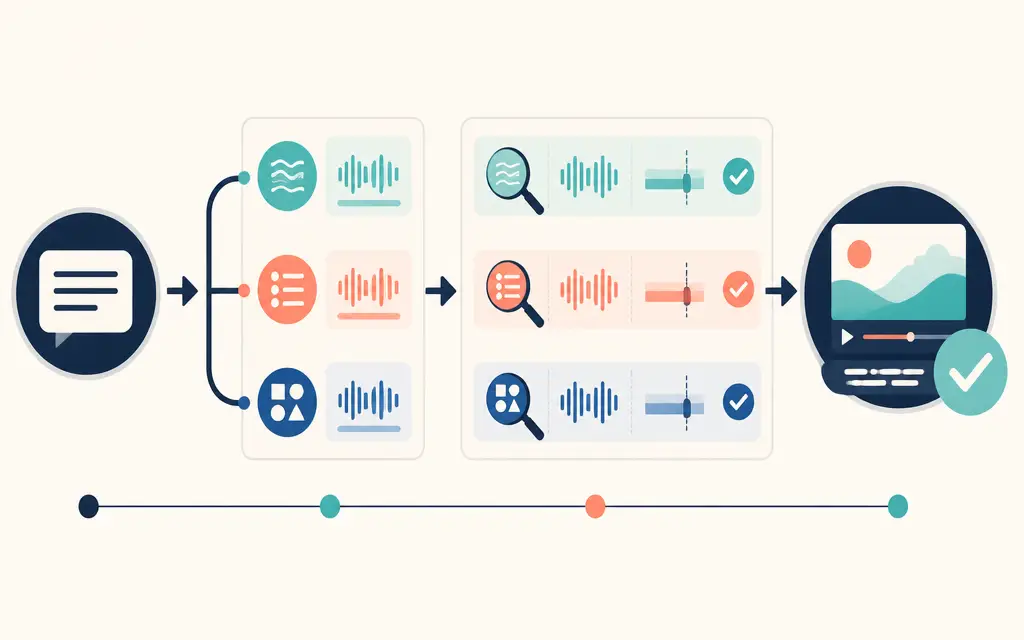
A practical sequence for checking whether one message stays aligned across multilingual scripts, voice, and subtitles.
Read article
A practical way to compare viewer response by traffic source and turn the result into a focused next-video test.
Read article
A practical comparison of originality, rights, and repeat-production checks for tutorial and information-summary channels.
Read article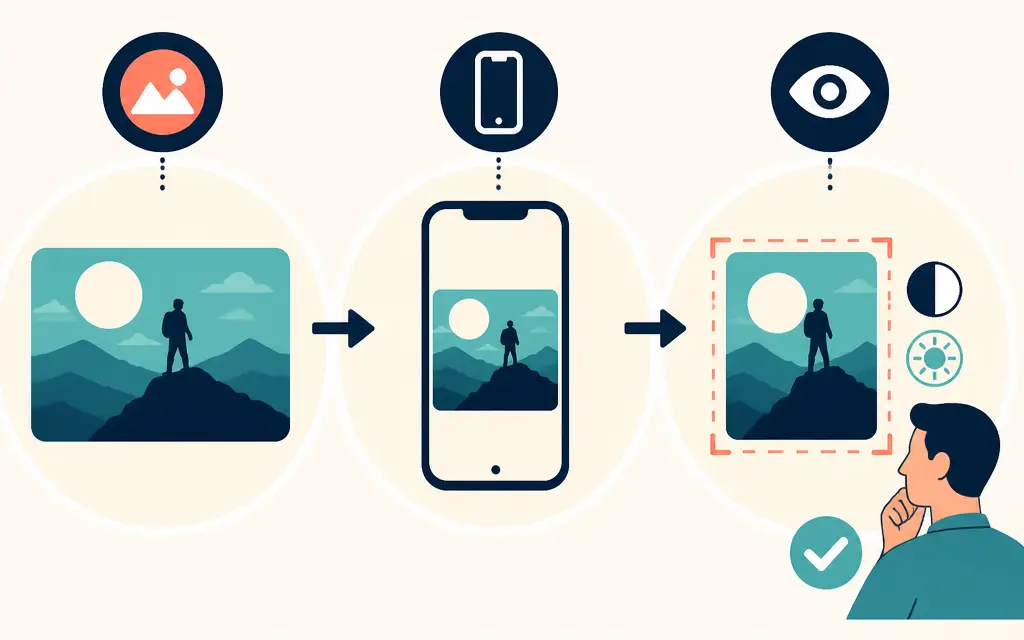
Reviewing one promise, the main subject, crop, contrast, and clutter at mobile size helps reveal thumbnail elements that do not support the video.
Read articleStart with a clear hypothesis, then compare reach, viewing behavior, and audience response in the same context before deciding what to change.
Read article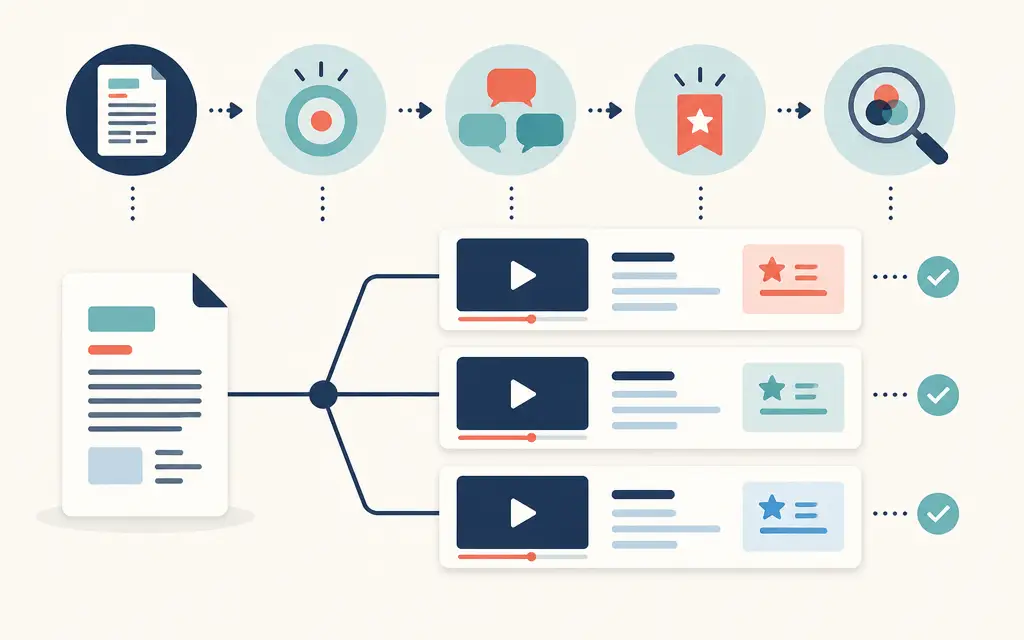
A practical way to turn one source into several focused scripts without stretching its claims or repeating the same video.
Read articleA practical way to judge viewer value, repeatable production, and rights review before committing to a faceless channel topic.
Read article
A practical review sequence for keeping subtitles, key images, and the main subject from competing in vertical video.
Read articleTitles and descriptions connect a query to the video, but they do not guarantee rank. State the value clearly, match the video, and check real search traffic.
Read articleA practical way to review background music against narration and subtitle readability before publishing.
Read articleA practical workflow for preserving recognizable channel patterns without copying the same video structure blindly.
Read articlePublishing Shorts and long-form videos together is not an automatic penalty, but audience response and movement between formats need separate checks.
Read article
A repeatable production system can still be original when each video has a distinct point of view, evidence, rights review, and viewer value.
Read article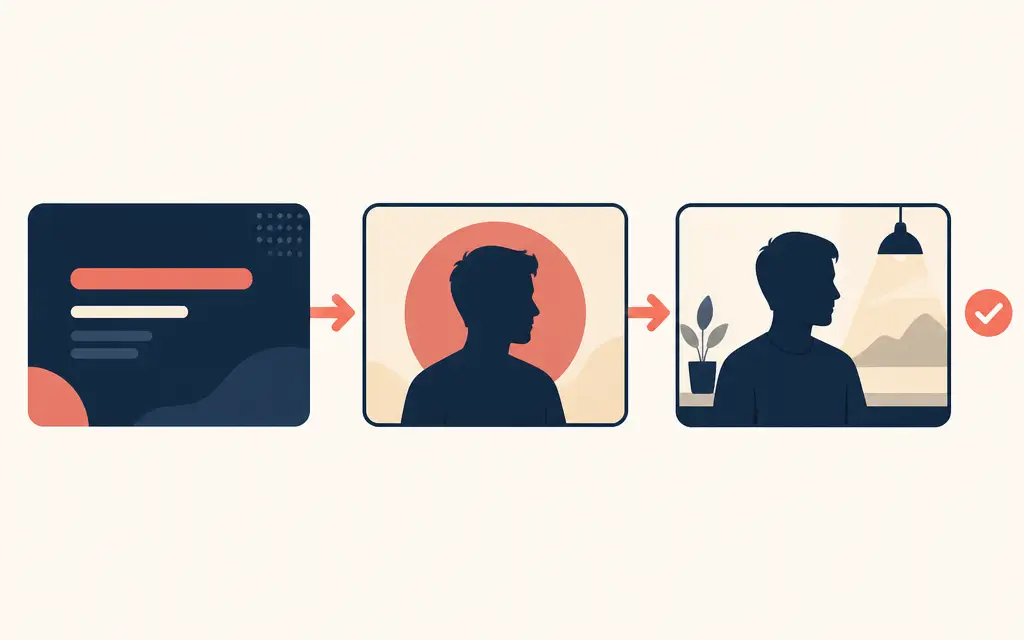
A practical check for making the title, thumbnail, and opening scene point to one clear viewer expectation.
Read articleA practical way to separate one weak video from recurring audience signals, then test the next production choice deliberately.
Read article
Give a Short one useful answer for now, and give a long-form video the context, evidence, and next steps that make that answer usable.
Read article
A durable category is one you can make repeatedly while giving viewers a distinct reason to return.
Read article
Set transition timing around one clear idea, enough time to understand it, and a real change in the explanation.
Read article
Open a Short with the viewer's expected answer, one visible proof point, and a clear path into the next moment.
Read articleAppeal covers choosing a video, engagement covers staying with it, and satisfaction considers the value viewers feel afterward.
Read article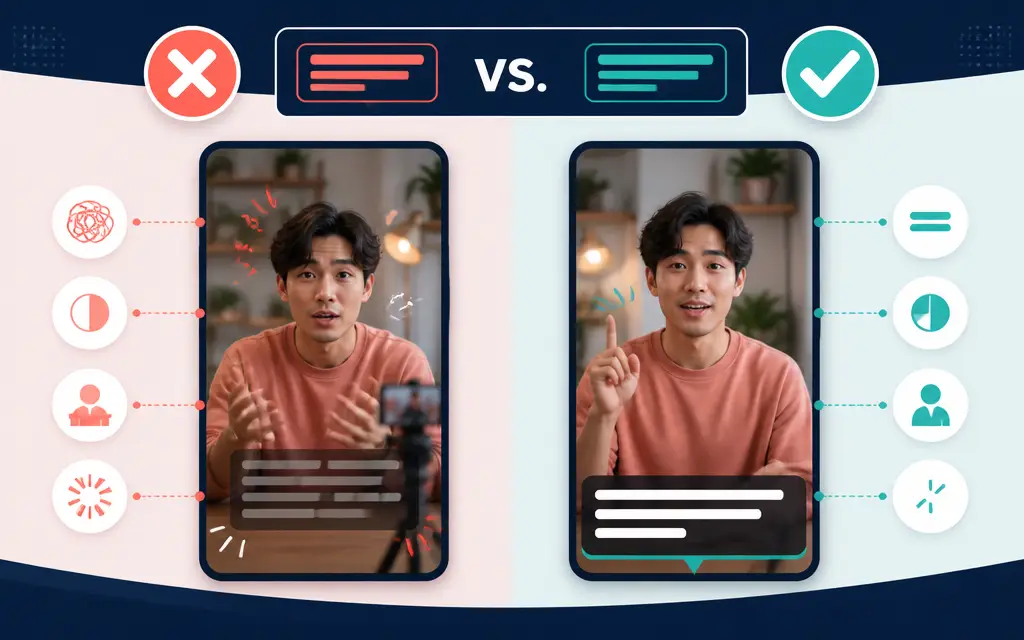
A practical order for checking subtitle contrast, placement, timing, and emphasis before saving a reusable video style.
Read articleStore product knowledge once, then let AUTOVID reference it to create marketing videos without choosing product photos scene by scene.
Read article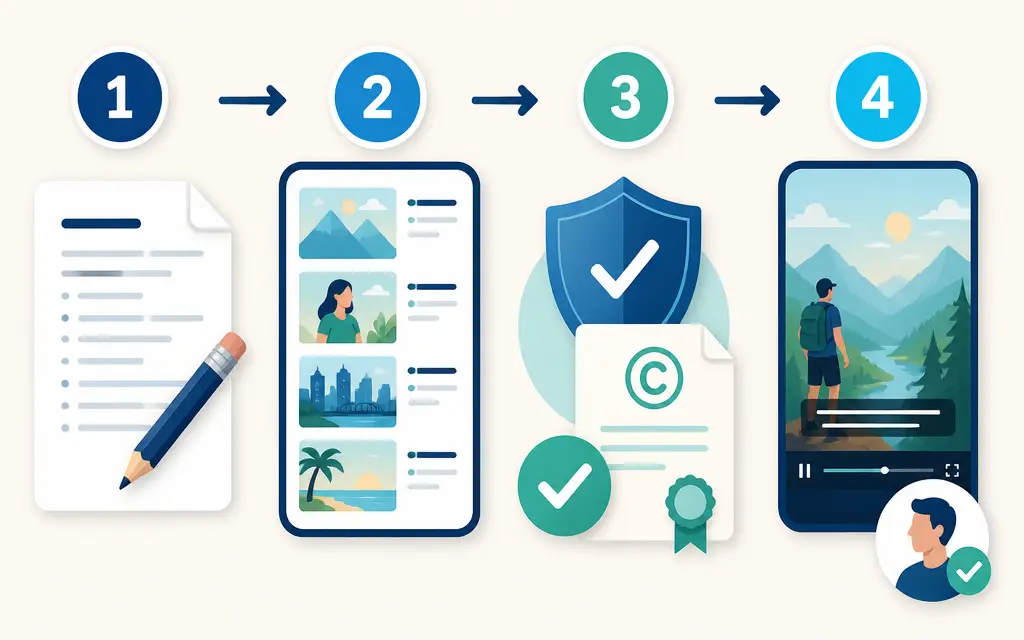
A practical order for reviewing an AI Shorts script, matching scene images, and checking the combined result.
Read articleA step-by-step method for reviewing the overall flow, scene roles, transitions, and effects in a long-form AI video.
Read articleA step-by-step method for aligning an AI-generated script with your brand voice and video goal.
Read articleA practical rights and review checklist for publishing an AI-assisted video.
Read articleA practical overview of AUTOVID's guided workflow for reviewing each part of an AI-assisted video before generation.
Read article